
Choosing and Setting a Hydraulic Pressure Relief Valve
A pressure relief valve protects the pump, cylinders and lines from overload by diverting oil to tank above a set pressure. Type, nominal size and setting must match the system, or pressure oscillates and the power unit overheats. This guide walks through selection and safe adjustment step by step.
View hydraulic valvesDirect or pilot operated - which type fits?
Pressure relief valves come as direct-acting and pilot-operated designs. Direct-acting valves open through a spring-loaded poppet or ball seat and suit small to medium flows. Pilot-operated valves use a small pilot stage to shift a large main spool and hold pressure very steady across a wide flow range.
How do I size the valve and set the pressure?
Two figures decide it: the maximum pump flow and the allowable system pressure. The nominal size must pass the full pump flow at a reasonable pressure drop, and the setting is usually 10 to 20 percent above the highest working pressure. This keeps a reserve for pressure peaks without the valve cracking during normal operation.
- Take the maximum pump flow (l/min) and peak-load pressure from the power-unit datasheet.
- Choose a nominal size that keeps the cracking pressure drop low so the oil does not overheat.
- Set the pressure 10 to 20 percent above working pressure but below the rated pressure of every component.
- Account for oil viscosity (e.g. ISO VG 46) and operating temperature when sizing.
How do I set the valve safely?
Always adjust with warm oil and a calibrated gauge close to the valve. Back the adjusting screw fully out first, drive the actuator against a stop, then raise the pressure slowly to the setpoint. Lock the counter nut afterwards and recheck the value under load.
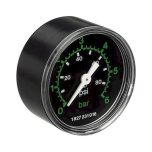
Tighten the counter nut, confirm the setpoint under full load.
Frequently asked questions
How high should I set the pressure relief valve?
Usually 10 to 20 percent above the highest working pressure of the application, but always below the lowest rated pressure of the pump, cylinder and lines. That keeps a reserve for peaks without the valve opening constantly in normal operation.
Why is my hydraulic oil getting too hot?
Often the relief valve diverts too much oil to tank continuously, for example because the setting is too low or the nominal size too small. Check the setpoint, the flow rate and whether the valve closes cleanly.
Direct or pilot operated - which is better?
Direct-acting valves are fast, robust and low cost for small flows and safety duties. Pilot-operated valves hold pressure very steady across high flows and are the better choice for main pressure limiting on large power units.
Find the right pressure relief valve
When choosing, pay attention to type, nominal size and setting for your power unit.
Vetted selection
Recommendations from maker data and field values.
Correct setting
Reserve above working pressure, below component ratings.
Reliable protection
Overload safety for pump, cylinders and lines.
Selection help
We help you choose the right products; technical details are clarified with the manufacturer.