
2-Way and 3-Way Pressure Compensated Flow Control Valves
A pressure compensated flow control valve keeps a hydraulic cylinder at a constant speed even as the load changes. The choice between a 2-way and a 3-way design decides heat input and efficiency. This guide walks through the selection criteria step by step.
View hydraulic valvesHow does a compensated valve hold speed constant?
A plain orifice gives a constant flow only at a constant pressure difference. When the load rises, the flow drops and the cylinder slows down. A pressure compensated flow control valve adds a pressure balance (spool) to the metering orifice that keeps the pressure drop across the orifice constant regardless of load. The speed stays stable whether the cylinder runs free or works at full load.
2-way or 3-way - which design fits?
Both designs meter the flow independently of load, but they differ in how they handle the excess oil. The 2-way valve sits in series and throttles the surplus into heat; it suits a fixed-displacement pump. The 3-way valve returns the surplus through a third port to tank or a bypass and therefore runs more efficiently.
Meter-in or meter-out - where do you throttle?
The placement decides whether the inlet or the outlet is throttled. Meter-in controls the supply and suits pushing loads. Meter-out controls the return, holds the cylinder against overrunning loads and prevents run-away. For overrunning or changing loads, metering on the outlet is almost always the safe choice.
- Meter-in: throttles the supply, ideal for purely pushing loads with low waste heat.
- Meter-out: throttles the return, stabilizes overrunning loads and prevents cavitation in the cylinder.
- Bypass (meter-out with 3-way): bleeds off surplus oil and lowers the energy loss.
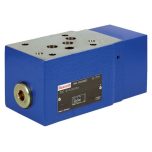
Choose design and mounting position from the manufacturer data.
What about viscosity, temperature and filtration?
Temperature and viscosity affect the flow across the metering orifice. A temperature compensated valve keeps the speed constant even as oil temperature changes. Watch the allowed viscosity range, clean filtration and a compensation pressure that sits above the maximum load pressure drop, otherwise the valve stops regulating.
Frequently asked questions
When do I need a compensated valve instead of a simple throttle?
Whenever the load varies during the motion and the speed must stay constant. A plain throttle lets the cylinder slow as load rises; the pressure balance in the compensated valve corrects for this and holds the flow steady.
What is the difference between 2-way and 3-way?
The 2-way valve throttles the excess oil into heat and sits in series. The 3-way valve bleeds the surplus through a third port back to tank, runs more efficiently, but can only be used in the inlet line.
Meter-in or meter-out for overrunning loads?
For overrunning loads almost always meter-out. Metering the return keeps the cylinder under control and prevents run-away and cavitation. Meter-in only suits purely pushing loads.
Find the right flow control valve
Find flow control valves by design, placement and pressure balance for your application in our shop.
Vetted selection
Recommendations from maker data and field values.
Constant speed
Pressure balance holds the flow independent of load.
Safe sizing
Design and placement clearly explained.
Selection help
We help you choose the right products; technical details are clarified with the manufacturer.