
Condensate Management and Drains
Every compressor produces condensate, a mix of water, oil and dirt. Left in the network it causes corrosion, valve faults and rejects in production. This guide shows which condensate drain fits your plant, how to separate oil from water and how to dispose of the condensate legally.
View condensate equipmentWhy does condensate form and why must it go?
Intake air holds moisture. Compression raises the temperature, and as the air cools in the aftercooler, receiver and dryer the water drops out as condensate. Together with oil mist and particles it forms an aggressive mixture. If it collects in the network it causes rust, frost damage and contaminates the compressed air at the tool.
Which condensate drain fits my plant?
The drain removes condensate without blowing off valuable compressed air. Simple float drains work mechanically but tend to stick with oil and dirt. Timer solenoid valves open on a schedule and lose air each cycle. Level-controlled electronic drains open only when condensate is actually present, saving energy.
- Fit a drain at every low point and collection receiver.
- Size the port to condensate volume and contamination.
- Electronic drains with a fault signal ease maintenance.
How do I separate and dispose of oil from water?
Oily condensate must not go into the drain. An oil-water separator cleans the condensate so the water falls below the permitted residual oil content and can be discharged. The separated oil is collected as hazardous waste and disposed of properly. Check the local limits, as they decide the demands on treatment.
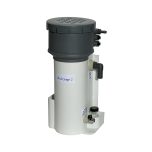
Clarify local discharge limits and record-keeping before draining.
How do I keep condensate draining reliable?
A blocked drain often goes unnoticed until water in the network causes damage. Regular visual and function checks secure operation. Filter media in the separator have a limited life and must be changed by oil load. A fault signal on the electronic drain flags a blockage early.
- Check drains regularly for function and tightness.
- Change the oil-water separator filter element once saturated.
- Use the test button on the electronic drain to verify.
- Document maintenance and oil disposal for the record.
Frequently asked questions
How much condensate does a compressed-air plant produce?
It depends on power, intake temperature and humidity. As a rough guide a 30 kW compressor delivers around 10 litres per day in warm, humid air, and far more on hot days. Every collection point therefore needs its own drain.
Can I just pour condensate down the drain?
No. Condensate contains oil and is classed as water-polluting. It must pass an oil-water separator to fall below the permitted residual oil content before the cleaned water may be discharged. The separated oil is disposed of as hazardous waste.
Which condensate drain saves the most energy?
Level-controlled electronic drains open only when condensate is present and blow off no compressed air. Timer solenoid valves are cheaper but lose air, and therefore energy, on every cycle.
Drain and dispose of condensate safely
Find drains, oil-water separators and accessories for the legal disposal of your condensate in our shop.
Loss-free draining
Level-controlled technology without air loss explained.
Oil-water separation
Residual oil brought below the permitted limit.
Legally compliant
Disposal and record-keeping clearly set out.
Selection help
We help you choose the right products; technical details are clarified with the manufacturer.