
Compressed Air Generation Basics Explained
Compressed air is the most versatile energy form in manufacturing, but also one of the most expensive. From compressor through receiver and dryer to filter, the generation chain decides quality, availability and cost. This guide explains the basics step by step so your system runs reliably and efficiently.
To the guidesHow is compressed air made from intake to network?
Compressed air is produced in a chain of stages. The compressor pressurises ambient air, an air receiver buffers demand peaks and smooths the pressure. Then dryers and filters remove water, oil and particles before the air enters the network. Every stage affects quality and energy use.
Which compressor type fits my demand?
The compressor choice depends on air demand, run time and required oil-free quality. Piston compressors are cheap and rugged for small, varying needs. Screw compressors deliver large, steady volumes in continuous duty. Where absolutely oil-free air is required, oil-free designs are used.
- Sum the air demand of all consumers in m³/min and plan a reserve.
- Check run time: continuous load favours screw, sporadic favours piston.
- Variable-speed compressors match output to fluctuating demand.
Why do drying and filtration matter so much?
Compressed air carries water, oil and dirt that gum up valves, wear tools and cause rust. A refrigerant dryer lowers the pressure dew point to about +3 °C and covers most applications. For very dry air or frost risk, an adsorption dryer reaches dew points down to -40 °C.
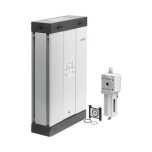 Choose the dryer
Refrigerant dryer for standard use, adsorption for very dry or frost-prone networks.
View products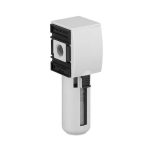 Filter stages
Combine pre-filter, fine filter and activated carbon to match the required air purity.
Understand filtersHave us assess dew point and filter class to match your application.
How do I cut energy cost and leakage?
Over their life, 70 to 90 % of a compressed air system's cost is energy. Each bar of lower network pressure saves about 7 % drive energy, so the lowest sufficient working pressure pays off. Leakage is the biggest hidden cost driver and causes 20 to 30 % loss in many systems.
- Set the working pressure only as high as needed, often 6 bar is enough.
- Locate leaks regularly with ultrasound and seal them promptly.
- Reuse the compressor's waste heat for heating or hot water.
- Isolate consumers from the network when idle to avoid standing losses.
Frequently asked questions
What working pressure makes sense for a compressed air network?
In industry, 6 to 8 bar is common. Set the pressure only as high as the most demanding consumer needs. Each bar less saves about 7 % energy, so unnecessarily high network pressures are expensive.
Do I need an air receiver if I have a compressor?
Yes, a receiver buffers demand peaks, smooths pressure and reduces compressor cycling. That protects the machine and saves energy. As a rule of thumb, allow a few hundred litres of volume per m³/min of delivery.
Refrigerant dryer or adsorption dryer - which is better?
A refrigerant dryer reaches a pressure dew point of about +3 °C and covers most applications cheaply. An adsorption dryer delivers dew points down to -40 °C and is a must with frost risk or very dry air.
Design your compressed air system right
Our guide covers compressor choice, drying and filtration for an efficient and reliable compressed air supply.
Vetted basics
Recommendations from standards and field values.
Clean air
Drying and filtration matched to the application.
Save energy
Keep working pressure and leakage under control.
Selection help
We help you choose the right products; technical details are clarified with the manufacturer.